Bandra - Mumbai, Vashi - Navi Mumbai, Pune, Bangalore, Hyderabad
 ChatGPT
 Perplexity
 Claude

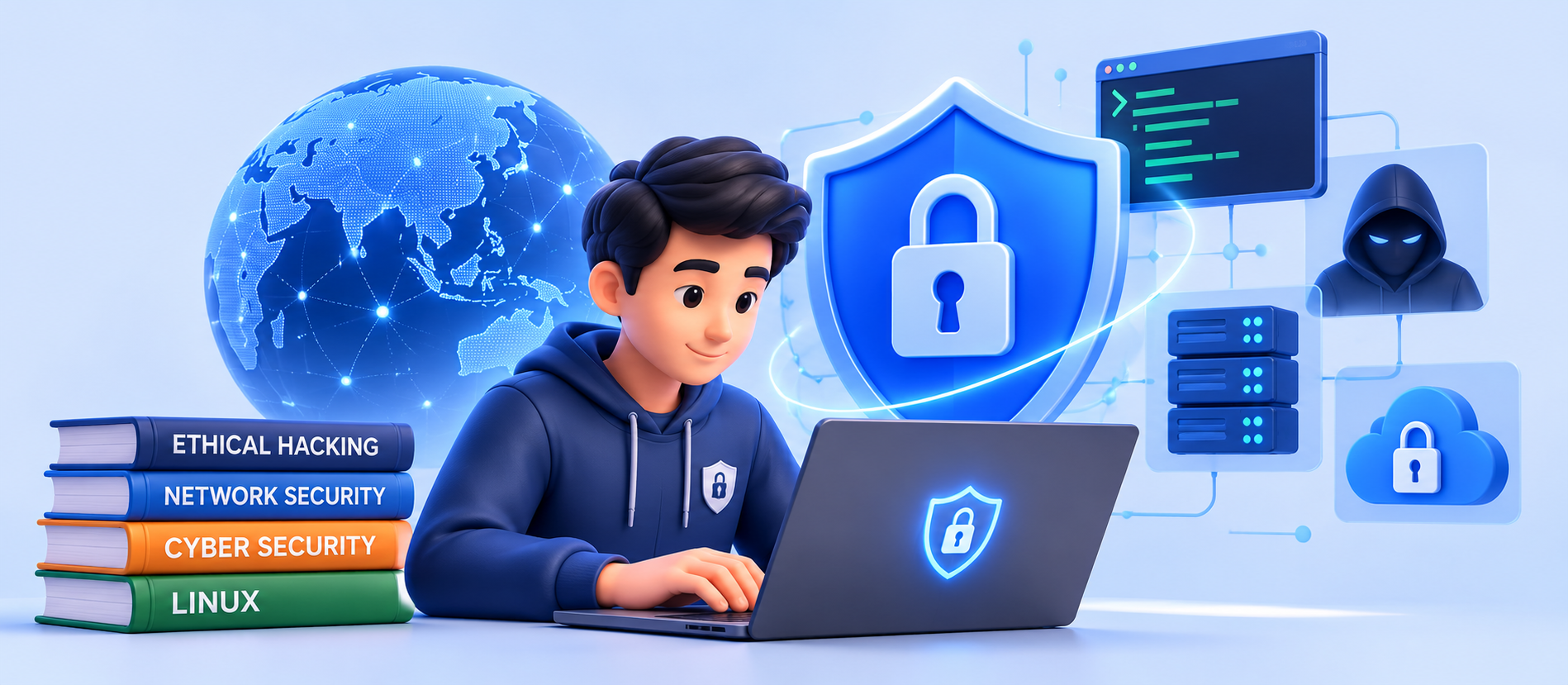
Is cyber security really tough to study? The short answer is no — not if you follow the right sequence. It feels tough when beginners jump straight into Burp Suite or Metasploit without networking and Linux basics. With fundamentals first, daily labs, and mentorship, most Mumbai students become job-ready in 4 - 6 months.
The Real Truth About Cyber Security Difficulty
The truth is: cyber security is not as tough as it seems. While it requires dedication and consistent learning, it is definitely achievable for beginners with the right approach. The field is broad — networking, Linux, Windows, web basics, SOC monitoring, and tools like Wireshark, Nmap, Burp Suite, Kali Linux, and Splunk — but entry roles test only the foundations, not mastery of everything.
Many people think cyber security is extremely difficult because of technical jargon and movie-style hacking scenes. In real jobs, a SOC Analyst L1 in Andheri spends the day triaging alerts, checking phishing headers, and escalating per playbooks — structured, trainable work. A VAPT trainee follows a methodology: recon with Nmap, web mapping, testing OWASP Top 10 inputs with Burp Suite, and reporting. Like any other skill, it can be learned step by step by starting with fundamentals and building gradually.
With the right learning path, mentorship, and practice, most people can become job-ready in 4 - 6 months. The difficulty is often exaggerated by those who tried random YouTube playlists without labs, or who attempted advanced certs like CISSP too early. A placement-focused course that gives daily hands-on time, doubt support, and mock interviews removes most of the perceived toughness.
What Makes Cyber Security Seem Tough?
When students say “cyber security is tough”, they usually mean one of five specific pain points. Naming them makes them solvable. Each has a straightforward fix that Mumbai beginners use every day, from Borivali to Thane.
- Technical jargon: Terms like vulnerability, exploit, payload, and zero-day sound scary until you see them live. A 30-minute Wireshark capture showing a DNS query, or an Nmap scan showing open ports, turns abstract words into concrete visuals.
- Wide scope: Cyber security covers networking, Linux, Windows, web, cloud, and GRC. Beginners try to learn all at once. The fix is sequencing: networking → Linux → security fundamentals → Splunk and SOC → Burp Suite basics. One lane at a time.
- Fast-changing field: New CVEs, ransomware variants, and phishing kits emerge weekly. You do not need to chase every news item. Entry interviews test stable fundamentals — OSI, HTTP codes, phishing analysis, Linux permissions — not zero-day trivia.
- Imposter syndrome: TryHackMe leaderboards and LinkedIn posts make you feel behind. Every analyst felt this. Track labs completed and alerts triaged correctly instead of comparing yourself to 5-year engineers.
- Lack of structured learning: Without a proper course, you jump from Kali Linux to CISSP PDFs and feel lost. A 4 - 6 month curriculum with daily labs, weekly tests, and mentor reviews removes this confusion.
- Tool overload: Splunk, Metasploit, Nessus, Burp Suite, and ELK at once feels impossible. Learn one tool per fortnight with a small outcome — for example, “analyse one pcap in Wireshark” — and tools stop feeling tough.
These challenges are normal and can be overcome with proper guidance, 1 - 2 hours of daily practice, and a peer group that reviews your work. Toughness drops sharply after the first 6 - 8 weeks of consistent labs.
Tips to Make Cyber Security Easier to Learn
You do not need more talent — you need a simpler system. The students who crack SOC interviews in Mumbai in 4 - 6 months all follow the same pattern: small daily labs, weekly revision, and early interview practice. Here is a proven routine:
- Start with basics: Spend the first 3 - 4 weeks on networking (IP, subnetting, TCP vs UDP, DNS, HTTP) and Linux (files, permissions, grep, ssh). These two unlock Wireshark, Nmap, and Splunk later. Do not touch Metasploit yet.
- Take a structured course: Follow a curriculum designed for beginners with day-one labs, not just recordings. Look for live doubt sessions, Splunk and Kali Linux access, and weekly assessments in Andheri, Goregaon, or live online batches.
- Practice daily: Spend 1 - 2 hours on labs and hands-on exercises. Example week: Day 1 - Wireshark filter practice, Day 2 - Nmap scan on a legal lab, Day 3 - Linux challenges, Day 4 - Splunk query practice, Day 5 - phishing header analysis. Consistency beats weekend marathons.
- Join communities: Connect with learners and professionals on TryHackMe rooms, local Mumbai meetups, and course Discord groups. Peer reviews catch mistakes faster than solo study.
- Focus on one area: Start with SOC analysis or network security — Splunk triage plus incident playbooks — then specialise later into VAPT with Burp Suite or cloud security. One job role, one toolset, one certification (Security+ or CEH) at a time.
- Don't compare yourself: Everyone learns at their own pace. Track inputs (labs done, write-ups written) not just outcomes. Two solid mini-projects beat ten half-finished courses on a resume.
- Prepare for interviews early: From month three, practise OSI, HTTP codes, phishing steps, Linux commands, and “tell me about a lab you did” answers. Mock interviews reduce exam fear more than extra theory.
Budget reality: a good Mumbai certification course costs Rs. 30,000 - 80,000 for 4 - 6 months. Pair it with free TryHackMe, Splunk free training, and Wireshark sample pcaps, and you have more than enough material without overspending.
Is Cyber Security Hard for Beginners?
No, cyber security is not hard for beginners if you take the right approach. Mumbai institutes routinely place 12th-pass students from commerce and arts backgrounds into SOC L1 roles after lab-based training. The key is eligibility versus readiness: eligibility is just basic computer use, but readiness needs networking, Linux, and tool practice. Here is the honest split:
What You Need
- Basic computer knowledge — browsing, files, MS Office level comfort
- Willingness to learn networking and Linux for 8 - 10 weeks
- Consistency: 1 - 2 hours daily on labs like Wireshark and Splunk
- Logical thinking and clear written communication for tickets
- Comfort with rotational shifts for first 12 - 18 months
What You DON'T Need
- Advanced coding skills — Python basics can come after placement
- Advanced math — no calculus; only IP and logic basics
- Computer science degree — certifications plus labs matter more
- Prior IT experience — freshers are hired for L1 SOC roles
- Expensive laptop — any 8GB machine running Kali Linux VM works
Start with a 2-week self-test: complete a networking playlist, install Kali Linux in VirtualBox, run an Nmap scan on a legal TryHackMe target, and analyse one Wireshark sample. If you enjoy that loop, you will enjoy security work. If you do, join a structured batch — weekend batches in Andheri suit working students, while full-time batches in Goregaon suit freshers.
Frequently Asked Questions
No, cyber security is not harder than programming — it is different. Programming demands deep coding and DSA practice. Security focuses on understanding systems, analysing logs in Splunk, capturing traffic in Wireshark, and using Nmap and Burp Suite methodically. Many non-coders find security more approachable because entry work is tool-guided.
Yes, absolutely. Many Mumbai analysts come from commerce, arts, and non-IT support backgrounds. Start with networking and Linux, practise TryHackMe and Splunk labs daily, then add CompTIA Security+ or CEH concepts. A 4 - 6 month structured course with mentorship is enough for most beginners.
For most beginners, the hardest part is networking concepts (subnetting, DNS, HTTP) in the first month, followed by Linux comfort. Later, the challenge shifts to report writing and alert fatigue in SOC shifts. Both are solved with labs, playbooks, and mentor feedback — not raw talent.
Basics take 6 - 8 weeks, core SOC skills take 3 - 4 months, and job readiness typically takes 4 - 6 months with 1 - 2 hours of daily labs. Self-learning alone often takes 8 - 12 months due to lack of sequencing and feedback. Weekend batches suit working professionals with the same timeline.
No, average students succeed regularly because security rewards consistency over marks. If you can follow a playbook, document findings clearly, and practise tools like Wireshark, Nmap, and Splunk daily, you can clear L1 interviews. Focus on one role — SOC Analyst — instead of trying to master hacking, cloud, and forensics together.
No, coding is not needed to start. Entry SOC, analyst, and GRC roles use tools and process. Learn basic Python for log parsing after 3 - 4 months once you are comfortable with networking, Linux, and SIEM basics. That order keeps study easy and motivation high.