Bandra - Mumbai, Vashi - Navi Mumbai, Pune, Bangalore, Hyderabad
 ChatGPT
 Perplexity
 Claude

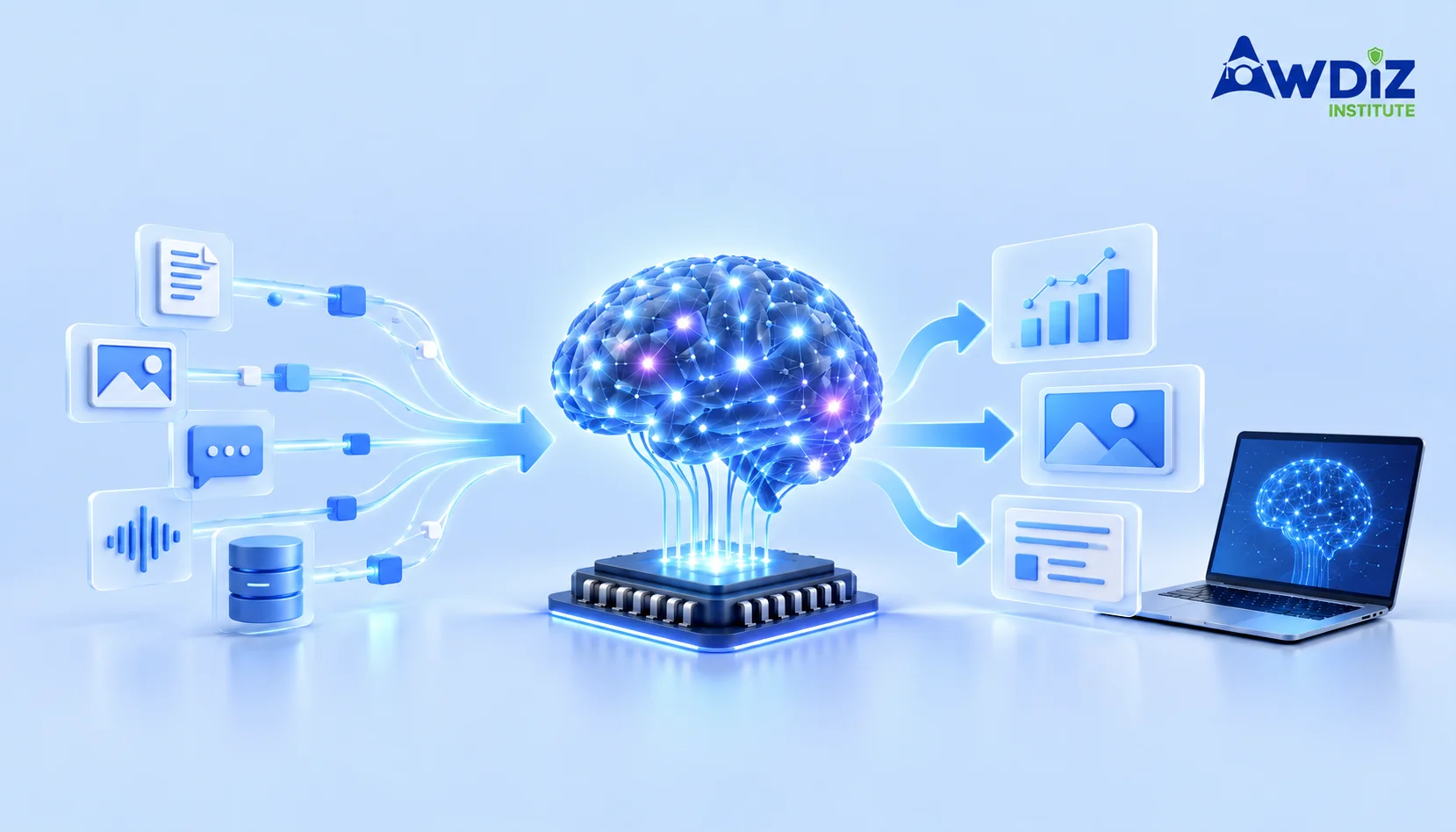
Yes, you can begin learning Artificial Intelligence without coding. You can understand basic AI concepts, use many modern AI tools, design simple workflows and evaluate the quality of generated results without writing software. But there is an important distinction between using AI and developing AI systems. People who want to become AI engineers or build sophisticated custom applications will usually need programming, data and technical skills.
The right starting point depends on what you want to achieve. A student exploring AI for the first time needs a different roadmap from someone preparing to deploy an AI application for thousands of users.
What Can You Learn About AI Without Programming?
Understand How AI Systems Are Used
You can learn what AI models do, why they sometimes make mistakes and how language, image or recommendation tools fit into everyday products. This knowledge helps you assess AI claims and choose tools for real tasks instead of assuming every AI feature is equally reliable.
Write Better Prompts
Prompting means giving instructions, relevant context and an expected output format to an AI system. For example, “Summarize this report in five points, distinguish confirmed facts from assumptions, and list unanswered questions” is more useful than “Explain this.” Good prompting includes reviewing and correcting the result.
Build No-Code Workflows
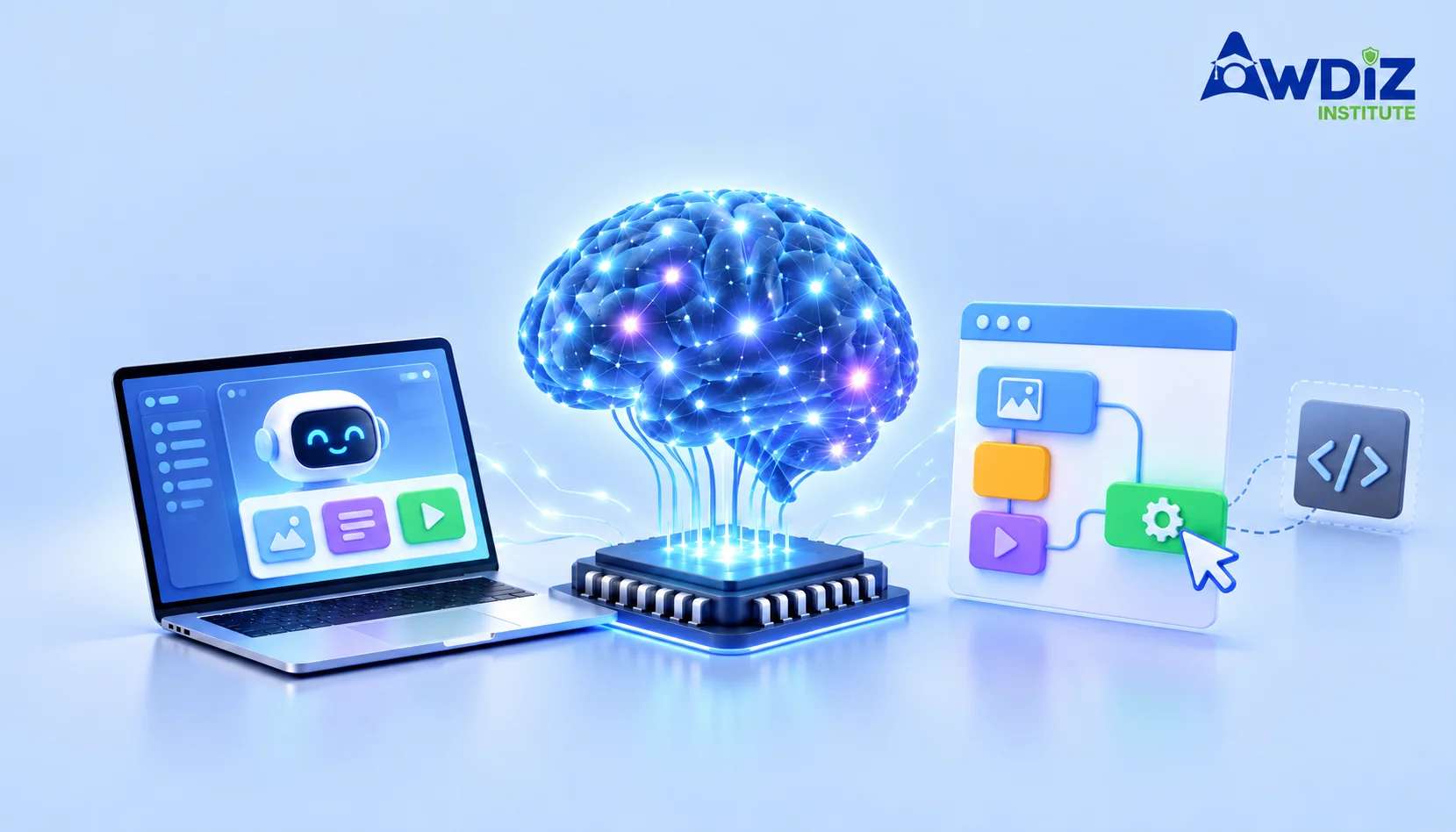
Some tools allow you to connect forms, documents and software applications using visual interfaces. You might route an approved document through a summarization tool or draft a response for human review. These workflows can save time, but they still need permissions, error handling and careful checks on what data leaves each system.
Evaluate AI Outputs
One of the most valuable non-coding skills is checking whether generated information is accurate and appropriate. Compare responses against trustworthy sources, identify missing context and note cases where the tool should decline to guess. This is useful in education, content work, operations and product testing.
Beginner-Friendly AI Activities Without Coding
- Create a revision assistant: Supply non-sensitive study notes, request practice questions and verify each answer against the material.
- Organize feedback: Use a permitted tool to group anonymized comments by theme, then review the categories manually.
- Draft a presentation outline: Ask for a logical sequence and improve it with your own subject knowledge.
- Compare AI tools: Test the same sample task across systems and rate the outputs for clarity, accuracy and usefulness.
In every project, record your goal, inputs, tool settings, evaluation method and what went wrong. That turns casual experimentation into evidence of learning.
When Is Coding Necessary for AI?
Programming becomes increasingly important when you want to build custom software, connect multiple APIs, process datasets, train models, manage authentication, deploy services or measure performance systematically. For these tasks, Python is commonly used for data and model development; JavaScript or other languages may be used for application interfaces and integrations.
A no-code tool can hide the details behind a visual interface, but it does not eliminate the need for secure design, testing or someone capable of maintaining the underlying system.
Can You Become an AI Engineer Without Coding?
AI engineering is generally a technical role. Engineers are often expected to write and review code, work with data and APIs, evaluate systems and troubleshoot failures. While no-code experience can be a useful starting point, it is not usually a substitute for the software skills required by AI engineering jobs. A person who does not want to code can explore AI-enabled operations, training, documentation, content evaluation or product-support work instead.
For a more detailed technical path, read How to Become an AI Engineer?.
A Practical No-Code-to-Code Learning Path
Begin by learning AI terminology and practicing with common tools. Next, study how to protect private information and evaluate output quality. Build a simple workflow that solves a small problem. If the project makes you curious about its technical behavior, begin basic Python: variables, conditions, loops and functions. Then learn to call an API and inspect a JSON response.
This gradual approach helps learners discover whether programming matches their interests before investing in advanced courses.
How to Select an AI Course Without Coding Experience
Look for clear prerequisites and a curriculum that explains concepts before advanced implementations. Ask how much work is performed through tools and how much requires programming. If you want a technical career, avoid courses that promise engineering readiness while never assessing coding or real projects. Good learning plans explain the gap between beginner familiarity and professional competence.
Conclusion: You can absolutely begin learning AI without coding. Learn to use tools, design reliable workflows and question the quality of results. If your ambition develops toward engineering, add programming and data skills over time. The goal is not to learn everything immediately, but to follow a realistic path toward the kind of work you want to do.
Frequently Asked Questions
Yes. Many AI applications have visual interfaces and do not require Python. Building customized software or training models is a different task.
Prompting is a useful skill, but many jobs also require domain expertise, critical thinking, evaluation, communication or engineering abilities. A career plan should include more than prompt writing alone.
Not necessarily. Start by understanding what AI does and what you want to build. If technical development interests you, introduce programming early and practice regularly.